November 18, 2026
Cafe Menu Trends That Customers Love in 2026
By @beautola574
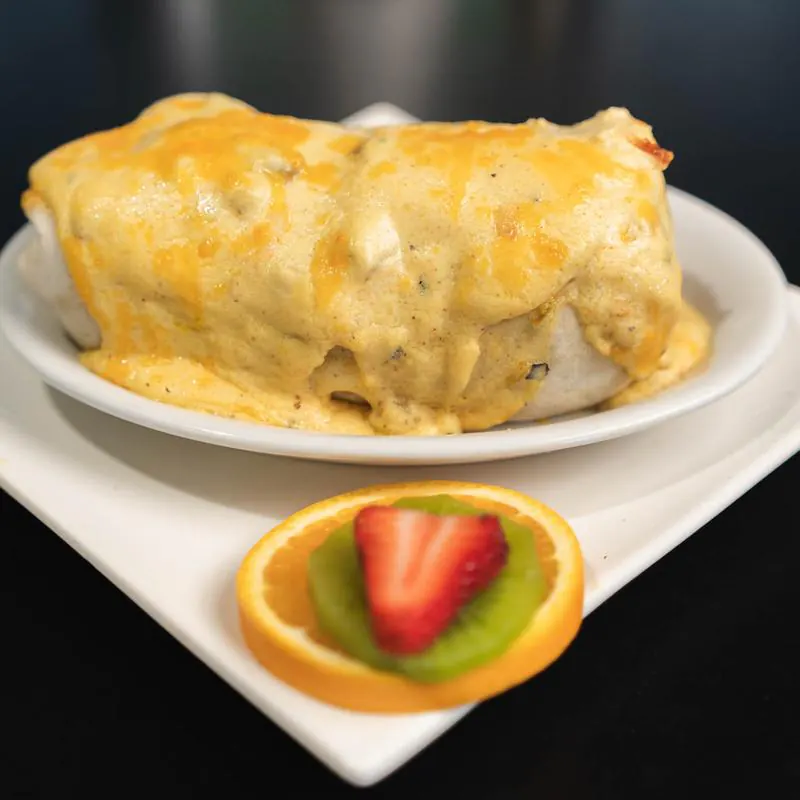
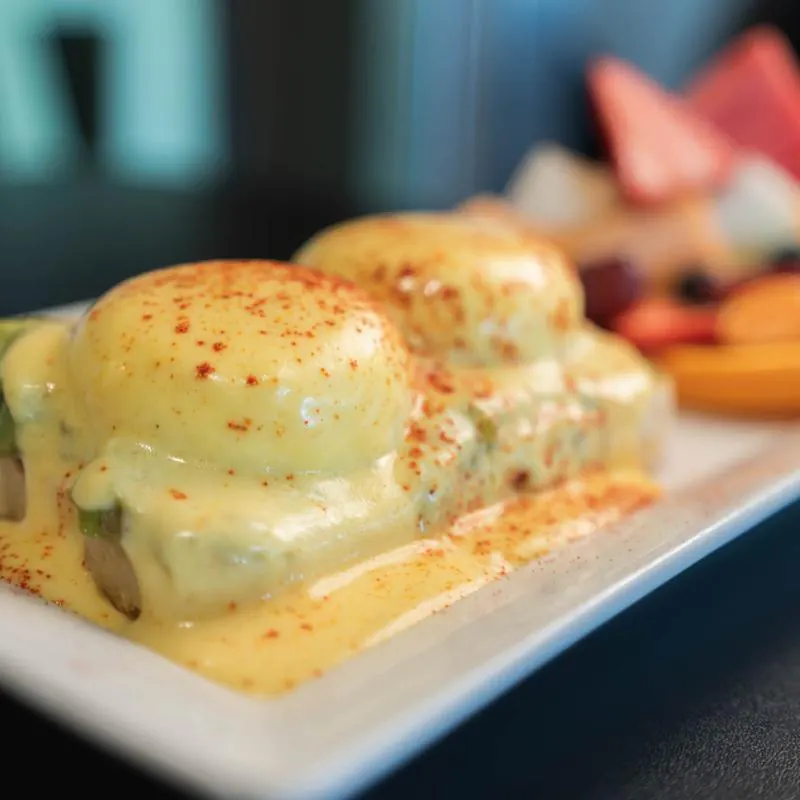
Walk into a strong neighborhood Cafe in 2026 and the first thing you notice is not novelty for novelty’s sake. It is confidence. The menu feels edited. The food photographs less like a social media stunt and more like something you would actually order twice a week. Drinks still pull attention, but the smart operators have stopped treating the menu as a collection of isolated items. They design it as a system, where speed, margin, seasonality, dietary flexibility, and customer comfort all support one another.
That shift matters because customer expectations are now more mature than they were a few years ago. Guests still want a small thrill, but they also want value they can recognize and trust. They want fewer disappointing purchases. They want flavor that feels current without becoming strange. Most of all, they want a Cafe menu that respects how people actually eat now, which is often somewhere between convenience and ritual.
I have seen this play out in both city-center sites and suburban all-day Cafes. The menus that are working best in 2026 are not the longest, nor the most expensive, nor the most trend-chasing. They are the ones that make fast decisions easy, reward repeat visits, and quietly solve common frustrations. Here is what customers are gravitating toward, and why these choices are sticking.
Fewer items, better defined
A decade ago, many Cafes believed a larger menu signaled generosity. In practice, it often created drag. Guests stood at the counter too long. Staff lost confidence in recommendations. Waste crept up in the refrigerator. The strongest menus in 2026 are tighter, and customers seem relieved by that.
A compact menu does not mean limited appeal. It means every item has a reason to exist. A pastry case with eight excellent products often outsells a cluttered case with fifteen mediocre ones. The same is true for breakfast sandwiches, toast options, and blended drinks. When each offer is distinct, the customer can see the difference immediately.
This trend also reflects the economics behind the counter. Cafes that trim overlapping ingredients can hold quality steadier, especially when supply prices swing. If one site uses the same confit tomatoes in a breakfast sandwich, a lunch grain bowl, and a savory tartine, the team can prep with consistency and avoid dead stock. Customers do not need to know the spreadsheet logic. They simply feel the result in faster service and fresher food.
The trap is over-editing. Some operators cut too far and erase the very variety that drives repeat visits. The better approach is to keep the core compact, then rotate a few seasonal features with clear intent. That structure gives regulars something new without forcing the kitchen into daily improvisation.
Specialty coffee is getting softer around the edges
Coffee culture in 2026 still values quality, but the language around it has become more welcoming. Customers have not lost interest in origin, processing method, or roast profile. They have lost patience with menus that make them feel tested.
A good Cafe now explains just enough. Instead of a wall of jargon, it offers a few clean cues. Bright and citrusy. Rich and chocolate-forward. Best with milk. Ideal over ice. Those descriptions move drinks faster than overly technical tasting notes ever did.
This shift has opened the door to a broader range of customer favorites. The straight espresso crowd is still there, but growth is coming from drinks that balance craftsmanship with comfort. Think short seasonal lattes that avoid sugar overload, espresso tonics with culinary depth, and cold coffee drinks that taste built rather than dumped over ice. Salt, spice, herb, and fruit notes all play a role, but the best versions stay disciplined.
One of the clearest examples is the continued rise of the not-too-sweet signature drink. In a well-run Cafe, that might be a maple and black sesame latte, an iced orange cardamom americano, or a vanilla drink sharpened with sea salt rather than buried under syrup. Customers increasingly ask, “Is it sweet?” before they ask almost anything else. Operators who answer that concern directly earn trust.
Milk choices have matured too. Oat remains a standard, but customers are becoming pickier about texture and flavor compatibility. No one is impressed by a plant-based option that splits in acidic espresso or leaves a cereal aftertaste. Menus that specify which drinks shine with dairy and which perform well with oat or soy feel more thoughtful, and they reduce remakes.
Savory breakfast keeps gaining ground
Sweet pastries still matter. They always will. But one of the strongest menu shifts in 2026 is the expansion of savory morning food. Customers are looking for breakfasts that carry them through a work block, a school run, or a gym session without a sugar crash thirty minutes later.
That does not mean everyone wants a large plated meal. In fact, many successful Cafes are moving in the opposite direction, toward handheld, well-structured items that eat cleanly and hold for a reasonable window. A breakfast sandwich with real acidity, a soft egg bite with greens and herbs, a folded flatbread with labneh and chili crisp, or a compact rice bowl with egg and seasonal vegetables can all perform well if executed properly.
Texture is doing more work here than it used to. The customer wants a soft element, a crisp element, something fresh, and something savory enough to feel complete. That is why sandwiches with pickled onions, peppery greens, or a seeded crust often outperform softer, richer builds that taste flat by the third bite.
Protein is part of this story, but not in the old blunt way. Guests are not only asking for “high protein.” They are looking for balance. Cottage cheese has reappeared in some markets, eggs remain a staple, and strained yogurt continues to perform, but the winners are items that integrate protein naturally into a satisfying dish rather than presenting it like a gym accessory.
There is also a practical reason bennies.cafe Cafe Cafes love this trend. Savory breakfast extends the daypart. A customer who comes in at 10:45 can still justify a sandwich or bowl, while they may skip a croissant by that hour. That overlap boosts midday sales without requiring a full lunch reset.
Global flavor, familiar format
One of the healthiest changes in Cafe menus is the move away from bland “international inspiration” toward more grounded flavor combinations. Customers are far more informed than they used to be. They recognize when a menu borrows a cuisine’s language without understanding its structure. At the same time, they are very open to global flavors when the dish still fits the way they want to eat in a Cafe setting.
That usually means familiar formats carrying deeper flavor references. A breakfast wrap with zhug and scrambled eggs. A grilled cheese with kimchi and sharp cheddar. A grain bowl with tahini, roasted carrots, and dukkah. A seasonal soda with tamarind and lime. The format remains accessible, while the seasoning profile brings memorability.
The strongest operators know where to stop. If a dish requires a long explanation at the point of sale, it will underperform in many Cafe environments. Counter service rewards immediacy. The best globally influenced items can be understood in one sentence and desired in two seconds.
Customers also respond well when the menu shows enough specificity to feel real. “Chili sauce” says little. “Calabrian chili” or “salsa macha” creates a picture. But specificity comes with responsibility. If a Cafe uses a culturally rooted ingredient or name, the preparation should show some respect for what that ingredient is doing, rather than using it as decoration.
Matcha, tea, and botanical drinks are no longer side categories
For years, many Cafes treated non-coffee drinks as support acts. In 2026, that is no longer viable. A meaningful share of regulars now come in primarily for matcha, tea, adaptogenic-style botanical blends, sparkling refreshers, or caffeine-light drinks that suit afternoon routines.
Matcha remains especially strong, but the bar is much higher. Customers can tell when the powder is dull, bitter, or overwhelmed by syrup. The better Cafe menus treat matcha with the same seriousness as espresso. They choose a profile intentionally, whisk it properly, and pair it with flavors that support rather than mask it. Strawberry and matcha is still popular, but more Cafes are finding success with restrained combinations like yuzu, mint, coconut, or toasted rice.
Tea menus are improving for a similar reason. They are less cluttered, better explained, and often designed around brew quality rather than volume. A short tea list with excellent black, green, herbal, and chai options beats a fifteen-item list where half the selections taste tired. I have seen Cafes lift ticket averages simply by making iced tea feel crafted instead of incidental.
Botanical sodas and house refreshers are another area customers love, especially in warmer climates and in mixed-age neighborhoods where not every visit revolves around coffee. These drinks work best when they avoid the health-claim trap. Customers do not need to hear miracle language. They just want a drink that tastes layered, looks clean, and feels like a legitimate alternative to both soda and a second latte.
The sweet case is becoming more intentional
Pastry still draws traffic, but the role of the pastry case has changed. It is less about maximum choice and more about strategic appeal across different moods and budgets. Customers want one or two classic anchors, one indulgent feature, one fruit-driven option, and one item that feels lighter without being punitive.
That last point matters. Cafes have spent years offering “healthy” baked goods that taste like compromise. Customers have largely rejected that trade. What they respond to now are pastries and snack cakes that happen to be balanced, not items marketed around absence. A good olive oil loaf with citrus and yogurt, a tahini cookie with real chew and salt, or a banana bread made with enough spice and texture can sell strongly without carrying wellness branding.
Portioning is also shifting. Mini and mid-size formats are winning in many shops because they fit how people actually purchase. A customer may not commit to a giant slice at 3 p.m., but they will add a smaller square of cake or a petite cookie to a drink order. This is one of those trends that helps both customer psychology and margin management.
The visual language of the case matters too. Customers increasingly prefer pastries that look handmade, but not messy. Burnished edges, visible fruit, seeded crusts, clean glazing, and thoughtful layering all signal quality more effectively than excessive decoration.
Customers want customization, but only within reason
Personalization remains important, yet the most successful Cafe menus in 2026 do not promise infinite modification. Customers appreciate choices, but they also appreciate guidance. Too much freedom slows the line, confuses digital ordering, and produces food that no longer resembles the item the kitchen intended.
The operators getting this right build menus with controlled flexibility. They offer a few meaningful swaps, not a construction zone. Bread choice on two sandwich formats, one protein add-on that truly fits, dairy alternatives that have been tested with specific drinks, and a spice-level adjustment for one or two items, that tends to be enough.
Here is where judgment counts. Some requests are worth accommodating because they create loyalty at little cost. Others quietly destroy consistency. A breakfast sandwich designed around a jammy egg and melting cheese may not survive five substitutions. Staff training needs to reflect that line with confidence and politeness.
Customers usually accept limits when the menu already feels considered. If they sense the Cafe knows what tastes good, they are more willing to trust the house version.
Functional eating is still present, but it has grown up
Wellness has not disappeared from menus. It has simply become less loud and more integrated. Shoppers still notice fiber, protein, fermented ingredients, lower-sugar options, and plant-forward meals. The difference is that customers now prefer those qualities to show up through the dish itself rather than through a flood of claims.
This is a smart correction. When every menu item is promoted as energizing, gut-friendly, or clean, the language loses force and can start to feel evasive. A far better approach is to build meals with legumes, grains, cultured dairy, nuts, seeds, greens, and thoughtful fats, then describe them as food first.
A lentil and roasted vegetable bowl with tahini yogurt will appeal to many customers because it tastes complete and sits well, not because it shouts about macros. The same is true for chia puddings that actually taste like dessert, soups with enough body to feel like lunch, or toast topped with white beans, lemon, herbs, and soft egg.
There is one caution here. Functional framing can still help sell a few key items, especially in locations near gyms, clinics, or commuter corridors. But it needs restraint. One or two obvious menu signposts are useful. A menu that reads like supplement packaging is not.
The all-day menu is becoming the default
More Cafes now design for fluid traffic rather than sharply separated dayparts. Customers might arrive at 8 a.m. For a flat white, at 11:30 for a savory pastry and tea, or at 2:15 for a half-lunch, half-snack order. Menus that rigidly divide breakfast from lunch often miss this reality.
The all-day approach does not require serving every item at every hour. It means the transitions feel natural. Egg dishes that still make sense at noon. Salads and bowls available before lunch. Toasts, soups, sandwiches, and baked items arranged so a customer can build the meal they need without feeling off schedule.
This is especially useful in Cafes with remote workers, parents, and students, where purchasing patterns are less tied to a classic office rhythm. Customers love the freedom to order according to appetite instead of tradition. From an operational standpoint, it can also smooth kitchen pressure if prep is designed intelligently.
One of the best signs of a strong 2026 Cafe menu is that you can imagine three different customers ordering from it at three different times of day, and each would feel the menu was made for them.
Seasonal menus are staying shorter and changing more often
Seasonality still sells, but customers are less excited by token pumpkin, one-note peppermint, or random spring florals pasted onto the same base drinks every year. They respond better to shorter seasonal runs that feel fresh and a little more culinary.
That might mean six to eight weeks of stone fruit in iced tea and pastry, a late-winter orange and pistachio program, or savory features built around asparagus, mushrooms, or tomatoes when they are at their peak. These windows create urgency without exhausting the staff.
The advantage of shorter seasonal runs is that they reduce the burden of being “the next big thing.” A seasonal item does not need to define the brand. It only needs to give regulars a reason to look up from their usual order. Often the most successful features are the ones that tweak something familiar rather than inventing an entirely new category.
Customers love this approach because it feels alive but not chaotic. They get the pleasure of change without losing the comfort of the Cafe’s core identity.
Value is being expressed through composition, not just price
Price sensitivity remains real. Customers notice every increase, especially in urban markets where coffee and breakfast can feel surprisingly expensive. Yet they still pay for menus that make sense. The issue is not price alone. It is whether the item delivers enough satisfaction, clarity, and quality to justify the spend.
In 2026, value shows up through composition. A drink served in a size that suits the recipe. A sandwich with enough filling to feel complete, but not so much that it becomes messy and wasteful. A lunch bowl that contains texture and protein rather than a large volume of cheap leaves. Customers are reading these cues very quickly.
Two menu habits are helping Cafes communicate value better:
- Bundles that feel natural, such as a coffee with a half sandwich or a tea with a small cake, especially when the pairing saves a modest but visible amount.
- House-made elements that customers can taste immediately, including compotes, pickles, sauces, and baked components that distinguish the item from something they could get anywhere.
- Size honesty, where a 10-ounce specialty drink is presented as intentionally concentrated rather than padded into a large cup.
- Clear menu descriptions that prevent disappointment, particularly around sweetness, spice, and portion expectations.
- Everyday premium items, which are small luxuries under the splurge threshold, like a superior ham-and-cheese croissant or a beautifully built iced matcha.
None of this removes price pressure. But it does show respect. Customers are often willing to spend when they feel a Cafe has made deliberate choices rather than simply charging more for less.
What this means for operators planning the next menu revision
Not every trend belongs in every Cafe. A commuter kiosk does not need the same strategy as a destination brunch cafe, and a college-adjacent concept may lean harder into refreshers and handheld food than a neighborhood site with an older daytime crowd. The point is not to copy whatever is visible online. It is to read why customers are responding.
A useful menu review usually starts with a few blunt questions:
- Which items are genuinely reordered, not just photographed?
- Where does service slow down because the menu asks too much of the guest or the staff?
- Which ingredients can support multiple strong items without creating sameness?
- What does the non-coffee customer feel the menu was built for?
- Which item would a regular miss if you removed it tomorrow?
Those questions surface the practical side of trend adoption. They also protect a Cafe from chasing ideas that look current but do not fit its equipment, neighborhood, or team skill.
The Cafe menus customers love in 2026 share a common discipline. They are hospitable without being vague, current without being performative, and flexible without losing shape. They understand that people still come to Cafes for pleasure, but pleasure now includes ease, clarity, and the confidence that what you order will taste exactly as good as you hoped. That is not a flashy trend. It is the one that lasts.
Bennies Cafe
17230 Jackson Creek Pkwy Ste 100, Monument, CO 80132
+1 719-445-0660
FAQ About Cafe
What is considered a café?
A café is generally an informal place to enjoy refreshments and a meal. Bennies Cafe in Monument serves breakfast and lunch in a counter-service setting, with options including eggs Benedict, sandwiches and crepes. Guests can eat in or arrange pickup.
What is the difference between a coffee shop and a café?
The terms often overlap. A coffee shop usually emphasizes coffee and other drinks, while a café may offer a broader food menu. Check the individual establishment's menu rather than relying on its name. Bennies Cafe offers coffee drinks alongside breakfast and lunch dishes.
What is the difference between café and coffee?
In everyday English, a café is a place where people buy food and drinks, while coffee is the beverage. The word café comes from the French word for coffee. Bennies Cafe serves options such as brewed coffee, espresso and lattes as part of its drinks menu.
❧