November 18, 2026
How to Add More Personality to Your Cafe Decor
By @beautola574
A cafe can serve excellent coffee and still feel forgettable. That disconnect usually has less to do with budget than with character. People notice when a space feels generic, even if they cannot explain why. They also notice when a room has point of view, when the lighting, seating, finishes, signage, music, and small visual details all seem to belong to the same story.
Personality in cafe decor is not about cramming the room with quirky objects or chasing trends from social media. It is about making design choices that feel specific to your place, your neighborhood, your customers, and the experience you want guests to have while they sit with a flat white, open a laptop, meet a friend, or grab a pastry before work. The strongest spaces feel intentional. They do not look copied.
I have seen owners spend heavily on polished materials and custom furniture, only to end up with a room that feels like a catalog. I have also seen modest cafes with secondhand chairs, a carefully chosen wall color, and one memorable focal point become local favorites because the atmosphere had warmth and identity. Personality does not require extravagance. It requires clarity.
Start with the feeling, not the furniture
Before picking tile, stools, or wall art, decide what emotional tone your cafe should carry. That might sound abstract, but it has practical value. If you skip this step, every later decision becomes reactive. You choose items because they are available, discounted, or popular, not because they support a clear idea.
CafeAsk a sharper question than, “What style do I like?” Instead ask, “How should people feel five minutes after walking in?” Calm and restored? Energized and social? Curious and inspired? Tucked away from the street? Part of a lively neighborhood rhythm? Those answers lead to different design decisions.
A morning-heavy commuter cafe may benefit from crisp lighting, efficient circulation, durable materials, and visual cues that support speed without feeling cold. A neighborhood cafe where people linger for an hour may need softer edges, warmer tones, more acoustic control, and seating variety that invites people to settle in. Both can have personality, but not the same personality.
This is where many operators get stuck. They try to satisfy every possible use case. The result is often a room with no strong identity at all. A cafe that tries to be equal parts co-working lounge, romantic date spot, family brunch room, late-night bar, and minimalist espresso temple usually struggles visually. Strong spaces make a few decisions and live with the trade-offs.
Let the concept come from somewhere real
The easiest way to make decor feel personal is to ground it in something that genuinely belongs to you. That might be the building itself, your menu, your neighborhood, your family history, or the habits of your regulars. Authentic reference points create better interiors than random inspiration boards.
If your cafe is in an old corner storefront with original brick and worn timber floors, do not rush to cover every trace of age. Those imperfections can become part of your visual identity. If you roast in-house, let the process shape the room through visible equipment, scent, storage details, and educational signage. If your menu has strong ties to a region, that influence can appear in materials, textures, and color, not only in framed prints.
One cafe owner I worked with kept returning to “European neighborhood cafe” as her inspiration. It was too vague to guide anything. Once we narrowed it down, the real source was her childhood memory of a bakery in Lisbon, where painted walls had faded unevenly, the pastry case felt jewel-like, and small marble-topped tables made the room feel intimate even when busy. Suddenly the design choices became much stronger. She stopped collecting broad references and started building around specific memories. The final space felt personal rather than themed.
That distinction matters. Themed spaces can feel heavy-handed. Personal spaces feel lived in.
Use color with more courage and more restraint
Color is one of the fastest ways to add personality, but it is also one of the easiest ways to get wrong. Many cafes default to safe neutrals, then wonder why the room feels flat. Others overcorrect with too many saturated accents and end up with visual noise.
A better approach is to choose a tight palette with one or two colors that carry the emotional weight of the room. In practice, that often means a grounding base, wood, stone, plaster, blackened steel, warm white, and one signature color that repeats in thoughtful ways. Repetition is what makes a space feel designed rather than accidental.
Deep olive, dusty terracotta, ink blue, muted saffron, and oxblood can all work beautifully in a cafe, depending on the light and the concept. The key is to test them at scale. A paint chip tells you very little. Put up large samples and look at them at 8 a.m., noon, and late afternoon. Cafe lighting changes across the day, and the same wall can feel cozy in the morning and muddy by evening.
Color also behaves differently next to food and people. Some greens flatter pastry displays. Some cool grays make milk-based drinks look dull. Skin tone matters too. If customers take photos in your space, and they will, poor color choices can subtly work against you.
When budget is tight, paint may be the highest-impact design move available. A single wall treatment, a painted ceiling, or custom color on millwork can add more character than a room full of trendy accessories.
Texture does the work that decoration cannot
A lot of cafe interiors feel incomplete because they rely too much on objects and not enough on surfaces. Personality often comes from texture long before it comes from wall art. Brick, limewash, slatted wood, aged metal, woven cane, glazed tile, leather, linen, concrete, and plaster all create mood through touch and light.
Texture is especially valuable in smaller cafes because it adds depth without crowding the room. In a compact footprint, every visible layer matters. If your tables, chairs, walls, counter, and floor all sit in the same visual register, the space can feel one-note even when the styling is technically correct.
There is also a practical side to this. Some decorative choices age badly under daily service. Textured materials often wear more gracefully than pristine glossy finishes. A cafe is not a photo set. Cups scrape surfaces. Chairs knock into walls. Steam, crumbs, milk, and foot traffic leave marks. Materials with a little visual variation tend to absorb use better than those that require perfection.
That said, durability and maintenance need to stay in the conversation. Open grout near a high-splash area can become a cleaning headache. Soft woods on table tops may scar quickly. Raw metal can stain. Personality is not worth much if the room looks tired after six months. The best cafe interiors understand patina and plan for it.
The furniture should tell customers how to use the room
Furniture has a quiet psychological effect. It teaches behavior. Tall stools near the front window suggest shorter stays and street energy. Upholstered banquettes encourage people to settle in. Small two-top tables can make a room feel intimate. Large communal tables can energize a lunch rush but may intimidate solo visitors if they are the only open seats.
If you want more personality in your cafe decor, resist the urge to buy an entire matching set. Uniformity can flatten a room. A controlled mix often feels more natural and memorable, provided there is still a common thread. That thread might be wood tone, silhouette, upholstery color, or era.
Some of the most inviting cafes blend seating types in a way that feels effortless. A few café chairs, a built-in bench, a window perch, and one larger shared table can create social texture. Guests instinctively choose the seat that matches their purpose. The room feels alive because it supports different patterns of use without becoming chaotic.
Comfort matters more than many owners expect. I have watched beautifully designed spaces underperform because every chair looked good and felt punishing after twenty minutes. Customers may not articulate that problem, but they react to it with shorter visits, fewer repeat stays, and less attachment to the place. If your business model depends on turnover, that may be acceptable in some zones of the cafe. It should still be a deliberate choice, not an accident.
Lighting is where personality becomes atmosphere
Lighting is often the line between a pleasant cafe and a memorable one. It shapes how materials read, how flattering the room feels, and whether guests want to stay once they have their drink. Yet it is frequently treated as a late-stage utility decision.
Natural light should be studied first. Notice where the brightest areas fall during your busiest hours. If morning sun blasts one seating section while the rest of the room feels dim, your decor and seating plan should account for that. Not every seat has to be equal, but the differences should feel intentional.
Artificial lighting works best in layers. General light gets people in the door and keeps service functional. Task lighting helps at the counter and pastry case. Accent lighting creates focus and warmth. A pendant over a communal table, a shaded sconce near banquette seating, or soft backlighting on shelving can do far more for personality than another piece of framed art.
Warmth of light matters too. In most cafes, overly cool bulbs make the space feel sterile. Very warm bulbs can look muddy if the finishes are already heavy. The sweet spot often sits in a warm range that flatters skin and food without turning everything amber. Dimming capability is invaluable if your cafe operates across different dayparts.
One frequent mistake is relying solely on downlights. They flatten the room and Cafe make people feel exposed. A cafe should not feel like a conference room. Bring light lower, closer to eye level, and into corners. Shadows are part of atmosphere.
Give the eye somewhere to land
Personality needs focal points. Without them, customers experience the room as a blur of surfaces and furniture. A focal point does not have to be dramatic or expensive. It simply needs to anchor memory.
That could be a beautifully designed pastry case, a hand-painted menu wall, a bookshelf, a sculptural light fixture, a tiled service counter, a record shelf, a mural, or a striking plant installation. The important part is that it connects to the rest of the room. A random neon sign rarely saves a generic space.
In one small cafe, the most memorable feature was not custom joinery or art. It was a deep green built-in shelf behind the bar lined with jars of house-made syrups, brewing tools, and everyday ceramics. It gave the space color, rhythm, and a sense of craft. Customers talked about it constantly because it revealed something real about the business.
If you have a visually strong product, let it do some of the decorative work. Pastries under warm light, carefully arranged retail coffee bags, stacked cups, or even the choreography of bar service can become part of the room’s character when presented with care.
Bring in objects with a point of view
Decorative objects are where many spaces tip into clutter. Personality is not the same as quantity. A shelf full of unrelated knickknacks usually feels like hesitation, not style. Choose fewer pieces, but make them count.
Original art, found objects, ceramics from a local maker, vintage mirrors, old café trays, regional books, framed menus from past iterations of the business, or black-and-white photographs from the neighborhood can all add depth if they have relevance. The fastest way to make a cafe feel interchangeable is to fill it with mass-produced “coffee themed” signs and generic prints.
There is also value in leaving some negative space. When every surface is decorated, nothing stands out. A good room lets the eye rest. That pause gives stronger elements more presence.
For owners who enjoy collecting, rotation can be useful. Instead of displaying everything at once, keep a small archive and change pieces seasonally. The space stays fresh, regulars notice the updates, and the room never tips into visual overload.
Plants help, but only when they are maintained
Plants are often treated as a shortcut to personality. They can absolutely soften a room and add life, especially in spaces dominated by hard finishes. But neglected greenery does the opposite. Few things make a cafe feel more tired than dusty leaves, drooping vines, or mismatched pots shoved into empty corners.
If you use plants, commit to a small number of species that suit the light conditions and your maintenance capacity. Large statement plants generally outperform many tiny ones. A single healthy ficus, rubber plant, or trailing pothos can transform a dead area more effectively than ten stressed little pots.
Pots matter as much as plants. Consistent material or color helps greenery feel integrated into the design rather than added at the end. Think of planting as part of the architecture.
Signage and menus deserve design attention
A surprising amount of a cafe’s personality sits in graphic choices. Typeface, menu layout, wayfinding, takeout labels, shelf tags, takeaway cup stamps, and exterior signage all shape the customer experience. When the interior says one thing and the graphics say another, the mismatch is obvious.
This does not mean everything needs branding flourishes. In fact, over-branded cafes can feel self-conscious. The goal is coherence. If your space is warm and restrained, your menu boards should not scream with five different fonts and bright laminated inserts. If your space has a playful edge, a little wit in your signage can deepen that identity.
Handwritten elements can work well in cafes because they introduce humanity, but only if they are legible and maintained. There is a difference between charming informality and visual confusion. Customers should never have to decode your menu under pressure at the till.
Sound, scent, and movement are part of decor too
People often talk about decor as if it is purely visual. In a cafe, the atmosphere comes from multiple senses at once. Acoustics, scent, and even the way customers move through the room affect how personality is felt.
If a space looks intimate but sounds harsh, the illusion breaks quickly. Hard surfaces are common in cafes for practical reasons, but too many of them can create a noisy room that feels stressful at half capacity. Acoustic panels, upholstered seating, curtains in the right location, or even well-placed shelves can soften the sound without compromising the design.
Scent is equally powerful. Fresh baking, citrus peel, espresso, or a hint of cedar from timber shelving can become part of a place’s identity. Heavy artificial fragrance rarely works well around food and coffee. Natural smells tied to your actual operation are stronger and more believable.
Movement matters as well. A room with personality should still function. If guests have to squeeze past chairs to collect drinks, or if the queue blocks your best seating, even lovely decor will not save the experience. Personality in a cafe has to survive the lunch rush.
Local references create loyalty when they are subtle
Some of the best cafes feel rooted without turning local identity into a marketing gimmick. A framed map from the district, tile colors pulled from nearby historic buildings, old photographs of the block, or materials sourced from local craftspeople can add resonance without becoming literal.
Customers respond to spaces that feel like they belong where they are. This is especially true when chains and formula-driven interiors dominate nearby. If your cafe reflects the rhythms and visual language of its neighborhood, people sense that sincerity.
Subtlety is what keeps this from slipping into cliché. You do not need a wall of city landmarks or obvious slogans about community. Often one or two well-judged references are enough.
What to change first if your budget is limited
Not every cafe has the margin for a full redesign. The encouraging truth is that personality often improves through selective edits rather than a complete overhaul. If you need the highest return for a modest spend, focus on choices that affect atmosphere at room scale.
- Repaint a major surface in a more distinctive, better-tested color.
- Upgrade lighting, especially pendants, sconces, and dimming controls.
- Replace the most generic furniture pieces with a more considered mix.
- Simplify decor, remove filler, and create one clear focal point.
- Improve graphic coherence across menus, signage, and takeaway materials.
These moves work because they reshape the customer’s overall impression, not just isolated corners.
Edit ruthlessly, then live with the room
One of the hardest disciplines in cafe decor is stopping at the right moment. After months of planning, owners often keep adding. Another shelf. Another sign. Another decorative object. Another accent color. Personality can get diluted by too much effort.
Once the main elements are in place, let the room operate for a few weeks. Watch where people choose to sit. Notice which corners feel dead, which surfaces collect clutter, which decorative items no one sees, and which details guests comment on unprompted. Real use reveals more than staged photos ever will.
The best cafes evolve slowly. They pick up marks, stories, regulars, seasonal rituals, and small additions that feel earned. That lived-in quality is part of personality too. Decor should set the tone, but the daily life of the cafe completes it.
A room with character does not need to shout. It needs to feel specific. When your cafe looks like no other place because it could only belong to your business, in your location, serving your customers, personality stops being a styling exercise and becomes an advantage people remember.
Bennies Cafe
17230 Jackson Creek Pkwy Ste 100, Monument, CO 80132
+1 719-445-0660
FAQ About Cafe
What is considered a café?
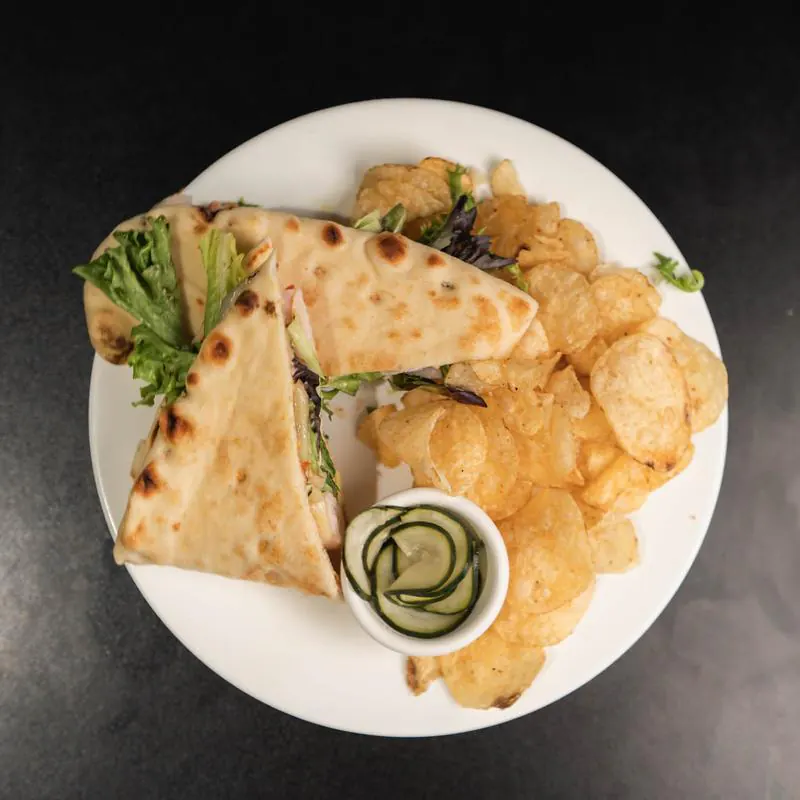
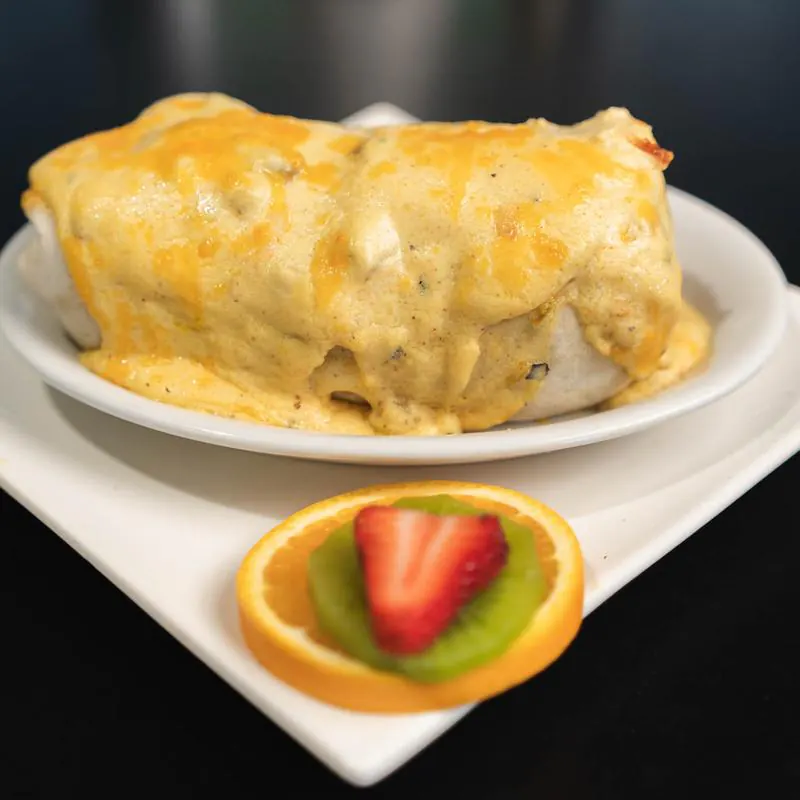
A café is generally an informal place to enjoy refreshments and a meal. Bennies Cafe in Monument serves breakfast and lunch in a counter-service setting, with options including eggs Benedict, sandwiches and crepes. Guests can eat in or arrange pickup.
What is the difference between a coffee shop and a café?
The terms often overlap. A coffee shop usually emphasizes coffee and other drinks, while a café may offer a broader food menu. Check the individual establishment's menu rather than relying on its name. Bennies Cafe offers coffee drinks alongside breakfast and lunch dishes.
What is the difference between café and coffee?
In everyday English, a café is a place where people buy food and drinks, while coffee is the beverage. The word café comes from the French word for coffee. Bennies Cafe serves options such as brewed coffee, espresso and lattes as part of its drinks menu.
❧