November 18, 2026
How to Develop a Signature Drink for Your Cafe
By @beautola574
A signature drink can do work that your menu board, window decals, and social media feed cannot do alone. It gives people a specific reason to visit your cafe instead of the one across the street. It creates a memory strong enough that a guest tells a friend, “You have to try this one thing.” When it is built well, it also improves margins, speeds up ordering, and gives staff a product they enjoy talking about.
That last part matters more than owners sometimes expect. Customers can tell when a drink has become part of a cafe’s identity and when it was added just to fill space on the menu. A true signature drink feels native to the room. It matches the pace of service, the skill of the bar team, the equipment you already use, and the kind of people who walk through the door from 7 a.m. To closing.
Many cafes approach the idea backwards. They begin with novelty. They look for an unusual syrup, a bright garnish, or a social media friendly color. Those can help, but they are not the foundation. The best signature drinks begin with a more practical question: what can this cafe serve, consistently and profitably, that another shop would struggle to copy because it is rooted in this place, this team, and this customer base?
Start with the cafe you actually run
Before developing flavors, step back and look at the business as it is, not as you wish it were. A signature drink that shines in a spacious brunch cafe may fail in a commuter-focused operation where every order needs to move in under three minutes. A drink that works beautifully in a neighborhood known for long laptop sessions may be a poor fit in a high-volume station kiosk.
I have seen owners fall in love with drinks that required six touchpoints, fresh citrus juicing during the rush, and a garnish that wilted in twenty minutes. The idea was good. The environment was wrong. Customers were not unhappy with the flavor. They were unhappy because the line stalled, the drink looked inconsistent, and the staff began to dread making it.
The first useful exercise is to identify your real constraints. Consider what your bar can produce during peak traffic, what storage space you have for housemade ingredients, and whether your team can execute the drink with the same care on a Monday morning and a Saturday afternoon. Think about seasonality too. If your concept depends on produce with a six-week window, that can be a strength, but only if you are ready to rotate the drink or adapt it gracefully.
It helps to write a plain-language description of your cafe in one or two sentences. Not a branding statement, just an honest operational one. For example: “We are a neighborhood cafe with strong morning traffic, many repeat customers, and a team that can handle espresso-based drinks quickly but has limited refrigeration.” Or, “We are a destination cafe where guests often stay for food, and we can support more elaborate builds because customers expect a slower, hospitality-driven experience.” That small bit of clarity saves a lot of wasted testing.
Know what role the drink needs to play
Not every signature drink needs the same job description. Some are meant to become the top seller after plain coffee. Others are designed to increase afternoon traffic. Some exist to lift average ticket with a premium add-on. Others help non-coffee drinkers feel seen. If you do not decide what success looks like, you will judge the drink loosely and make poor adjustments.
A drink aimed at daily repeat purchase should be balanced, easy to crave, and not too fatiguing. Think of flavors with a hook, but not so much intensity that guests only want it once. A drink built for social sharing can carry more visual drama and a slightly higher labor cost if it pulls in new customers. A cold drink designed to move in warm months can justify a larger cup format and stronger sweetness management because it serves a different occasion.
This is where many cafe owners can benefit from looking at order data. If your afternoon sales slump after 2 p.m., a signature iced drink may solve a business problem better than another hot seasonal latte. If 30 to 40 percent of your transactions already include pastries, a drink that pairs naturally with baked goods could push attachment rate further. If your guests often ask for less sweet options, that feedback should shape the concept from the start rather than appearing later as a patch.
Build from one memorable idea, not five
The strongest signature drinks are usually organized around a single clear idea. That idea may come from an ingredient, a place, a technique, a dessert reference, or a piece of local culture. What matters is coherence. When too many ideas compete in the cup, the result feels confused.
A useful test is this: can a barista explain the drink in one sentence without sounding scripted? “It’s a honey-rosemary oat milk latte with orange zest.” “It’s our iced black sesame mocha.” “It’s a sparkling espresso tonic with house grapefruit syrup.” Those descriptions are vivid because the concept is anchored.
The one-idea rule does not mean the drink must be simple. It means every supporting element should reinforce the central story. If the concept is toasted rice and milk tea, then texture, sweetness, and aroma should all deepen that note. If the concept is local citrus in winter, the coffee choice, sweetener, and garnish should support brightness rather than bury it under caramel and spice.
One cafe I worked with wanted a “fall special” that felt elevated. Their first test combined brown butter syrup, cardamom, maple cold foam, cinnamon, and orange. Each component was individually appealing. Together they cancelled each other out. We stripped it back to espresso, brown butter-maple syrup, and a pinch of cardamom in the milk. Suddenly the drink made sense. Sales improved because customers could understand it fast, and staff could make it fast.
Design for taste first, then for the menu board
Visual appeal matters. So does naming. But neither can rescue a drink that is out of balance. Start with flavor architecture.
Sweetness is usually the first thing to control. A signature drink should feel intentional, not blunt. Guests increasingly expect cafes to show restraint, even when the drink is indulgent. A syrup level that tastes perfect in a six-ounce tasting cup may become cloying in a 16-ounce iced format. Test at full serving size, with the exact ice level, milk choice, and lid style you will use in service. Those details change perception more than people think.
Acidity deserves careful handling, especially in coffee drinks. Citrus, berries, shrubs, and tonic Cafe can create brilliance, but they can also push espresso into sour territory or clash with certain roasts. If your cafe uses a darker espresso, richer pairings like cocoa, sesame, toasted nuts, molasses, or baking spice often integrate more smoothly. Lighter espresso can pair beautifully with stone fruit, florals, herbs, and certain teas, but the line is thin between lively and sharp.
Texture is another difference-maker. Many memorable cafe drinks succeed because the mouthfeel is distinctive. That could mean the silk of condensed milk, the body of a well-built cold foam, the lift of sparkling water, or the creaminess of oat milk Cafe balanced with a concentrate that can still punch through. People often describe a drink as “good” when what they are really responding to is the physical sensation as much as the flavor.
Temperature changes everything. Iced drinks mute aroma and sweetness, which is why a recipe often needs more concentration when served cold. Hot drinks broadcast spice and volatility quickly, which can make a subtle syrup feel stronger than expected. Do not assume a drink can simply be translated from hot to iced with the same formula. Usually it cannot.
Develop the recipe under real service conditions
Recipe testing is where cafe owners often become either too precious or too casual. The precious version endlessly tweaks half-gram differences no customer will notice. The casual version eyeballs everything and wonders why the drink is inconsistent. A better path sits between those extremes.
First, lock the non-negotiables. Decide the cup size, the coffee input, the type of milk, and whether the housemade component can be batched. Then test three to five recipe versions with small but noticeable variation. Taste them side by side, not across different days, because memory is unreliable. Include at least one version that feels almost too restrained and one that feels slightly too expressive. The right answer often sits closer to restraint than owners initially expect.
During testing, bring in people with different palates. Your most experienced barista may prize nuance that regular customers barely register. Your sweet-toothed team member may normalize sugar levels that alienate guests seeking a daily order. Ask people not just which version they prefer, but what they would pay for it and whether they would order it again next week. “Tastes interesting” is not enough. The drink must earn a second purchase.
A simple internal checklist can keep the process disciplined:
- Can the drink be made consistently in under the target service time?
- Does it still taste balanced after five minutes in the cup?
- Are the ingredients available and stable enough for daily service?
- Can staff describe it clearly in one sentence?
- Does the gross margin justify the labor and waste risk?
If a drink fails two or three of those tests, it is not ready, no matter how good it seemed during a quiet tasting session.
Price it like a business, not a vanity project
A signature drink should feel special, but special does not mean financially careless. The common pricing mistake is focusing only on ingredient cost. Labor, waste, and speed all belong in the calculation. A syrup made with premium spices might look affordable on paper, then quietly become expensive when a staff member spends an hour each week making it, straining it, labeling it, and discarding partial leftovers.
Start with full recipe costing. Include espresso or tea base, milk, syrup or concentrate, garnish, cup and lid, and any unusual packaging. Then consider labor in practical terms. Does the drink add ten seconds or forty-five seconds to an order? At a low-volume shop, that may be acceptable. At a busy cafe doing a morning rush, that time difference can limit total throughput and cost you more than the drink earns.
There is also a strategic pricing question. A signature drink can be positioned as accessible or premium. Both can work. An accessible price encourages trial and repeat visits. A premium price can increase perceived value and support better ingredients. The wrong move is splitting the difference without a reason. If the drink uses standard inputs and moderate labor, a high premium may feel opportunistic. If it uses labor-intensive prep, custom glassware, or expensive inclusions, underpricing it will turn your most distinctive offering into a profit leak.
Guests are often more accepting of a higher price when the drink is framed properly. A name, a short descriptor, and confident staff language can make the difference between “That seems expensive” and “That sounds worth trying.”
Name it with clarity, then give it a short story
Names matter, but cleverness is overrated. The best names help the customer place the drink quickly. They can be playful, but they should not be obscure. If people have to ask what kind of drink it is, you are adding friction at the menu board.
A practical approach is to pair a distinct name with a descriptive subtitle on your printed or digital menu. The name creates identity. The subtitle does the sales work. A drink called “North Block” tells me little by itself. “North Block, iced espresso with grapefruit, tonic, and rosemary” gives me enough to decide. This becomes even more important in a cafe where customers order fast or where staff cannot spend a minute decoding each specialty item.
The short story behind the drink should be genuine, not inflated. Maybe it was inspired by a bakery item you already sell. Maybe it reflects a local ingredient. Maybe it came from staff experiments during a slow winter month. Guests enjoy those details when they feel natural. They do not need mythology. A sentence or two is enough.
Train the team until the drink feels ordinary to make
Nothing kills a good signature drink faster than poor execution. If one barista makes it silky and balanced while another makes it watery and too sweet, the drink becomes a gamble. Guests rarely blame the individual. They blame the cafe.
Training should cover more than the recipe card. Demonstrate what the drink should taste like, what it should look like, how full the cup should be, how the garnish should sit, and what common mistakes to avoid. Explain why each element is there. When staff understand the logic of the build, they adapt better during rushes and recover better when a component runs low.
It helps to rehearse the sales language too. Not a rigid script, just a natural explanation. “If you like something lightly sweet and bright, this one is great.” Or, “This is our richer option, chocolate, black sesame, and espresso.” That kind of guidance is far more effective than asking staff to simply “push the special.”
One cafe owner I know launched an excellent house pistachio latte that underperformed for three weeks. The problem was not the drink. It was that baristas described it four different ways. One emphasized nuttiness, another dessert sweetness, another “Italian flavor,” and another said it was “sort of earthy.” Customers got mixed signals. After the team aligned on a simple description, sales nearly doubled.
Test launch before you commit to permanence
A signature drink does not need to appear fully formed as a permanent menu item. In fact, a short test window often produces better long-term results. Offer the drink for two to six weeks, monitor response, and make small adjustments. This reduces pressure and gives you real purchase data instead of relying on staff opinion alone.
During the test, pay attention to what customers actually do, not just what they say. People are generous with praise for a free sample and less generous with repeat purchases. Notice how often the drink is reordered by regulars. Watch whether guests modify it heavily. If many customers ask for less syrup or a different milk, the base recipe may need refinement. If the drink sells well only when one particular staff member is working, the issue may be description or consistency rather than concept.
A few metrics are especially useful during a trial period:
- First-time orders versus repeat orders from regulars
- Average ticket impact when the drink is added
- Production time during peak hours
- Waste rate for housemade components
- Customer modifications and common feedback themes
Those numbers do not need to be obsessively tracked with enterprise software. A simple tally sheet and weekly review can tell you enough.
Make room for seasonality without becoming gimmicky
Seasonal rotation is one of the best ways to keep a signature program lively, but frequent change can weaken identity if every drink feels disconnected from the cafe’s core. The answer is to develop a recognizable style rather than chasing trends. Perhaps your cafe becomes known for herb-forward sparkling coffee drinks in warm months and quietly spiced milk drinks in cooler months. Perhaps your identity centers on tea-coffee hybrids or housemade nut and seed flavors. The specifics can shift while the sensibility stays intact.
That continuity helps customers trust new releases. They may not know whether they want your winter special yet, but they remember that last year’s black tea mocha or orange clove latte was excellent. Trust shortens the decision.
Seasonality also offers a chance to use ingredients at their best without forcing them past their natural moment. Strawberry drinks taste different in early summer than in late fall, even with skillful prep. If your cafe has access to local produce, that can become part of your signature voice. Just be honest about operational realities. If peach season is four good weeks in your market, celebrate it, then move on. Customers respond well to that kind of confidence.
Watch for the hidden failure points
Most signature drinks do not fail because the core idea is bad. They fail because of secondary details nobody solved early enough.
Ice dilution is a common one. A drink can taste excellent in a controlled test and flat on the floor because it sits for ninety seconds while food is plated. Another failure point is milk behavior. Some acidic syrups cause separation with dairy or certain oat milks. A third is garnish maintenance. If a garnish bruises, melts, or sinks, it becomes a service headache instead of an enhancement.
Then there is staff fatigue. A drink that is fun for the first week can become dreaded if it requires awkward movements, sticky bottles, or finicky layers that collapse in takeout cups. Pay attention when employees start improvising shortcuts. Sometimes that means they need better training. Sometimes it means the design itself is asking too much.
One of the smartest adjustments I have seen involved a cafe with a popular iced yuzu espresso drink. It looked dramatic when built to order with fresh citrus and tonic, but the line backed up every weekend. They reformulated the citrus component into a stable house concentrate, changed the pour sequence, and switched to a cup shape that preserved the visual effect. Sales stayed strong, labor eased, and the drink became viable as a permanent feature.
Let customer feedback refine the drink, not define it
Guests can tell you where friction exists, but they are rarely the best formulators. If three customers say the drink is too sweet, listen. If one asks for lavender, another asks for white chocolate, and a third wants protein powder, do not treat that as a mandate. Your job is to interpret patterns while protecting the integrity of the concept.
Feedback is most useful when grouped into categories: sweetness level, clarity of description, serving temperature, portion size, and value perception. Those categories often reveal a fix that is not purely about flavor. For example, if customers think the drink is too expensive, the issue may be that they do not understand what makes it special. If they think it is too strong, the issue may be cup size or ice level rather than espresso dose.
There is a discipline in knowing when to stop tinkering. At some point, the drink should leave development mode and enter operating mode. That means documented recipe, costed ingredients, trained staff, and a stable menu description. Perfection is not the target. Reliability is.
When the drink becomes part of the brand
The moment a signature drink truly works, you will notice it in small ways first. Regulars start ordering it without looking up at the board. New guests arrive because someone recommended it by name. Staff begin suggesting pairings naturally. The drink appears in customer photos without prompting. These are stronger signals than a brief sales spike driven by novelty.
A cafe does not need a dozen signature drinks. Often one excellent flagship and a smaller rotating companion is enough. Too many “special” items dilute attention and strain operations. The goal is not to prove creativity. The goal is to create a product that people associate with your cafe specifically, one that tastes good enough to come back for and practical enough to serve every day without drama.
That balance is where the real craft lies. A signature drink is part recipe development, part menu strategy, part systems design, and part hospitality. When those pieces line up, the drink becomes more than a seasonal feature. It becomes shorthand for what your cafe does well.
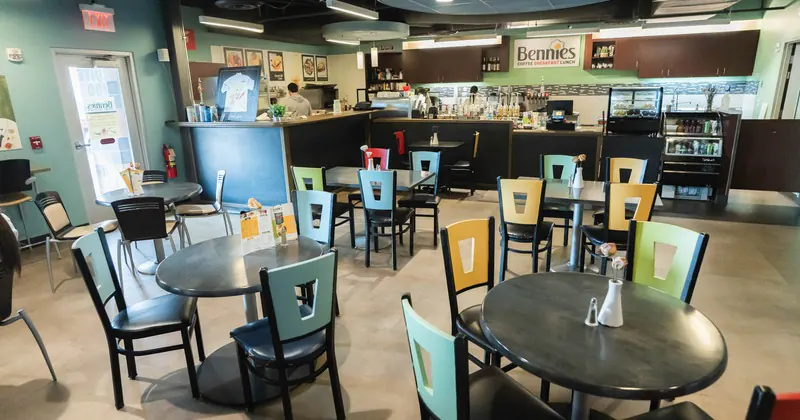
Bennies Cafe
17230 Jackson Creek Pkwy Ste 100, Monument, CO 80132
+1 719-445-0660
FAQ About Cafe
What is considered a café?
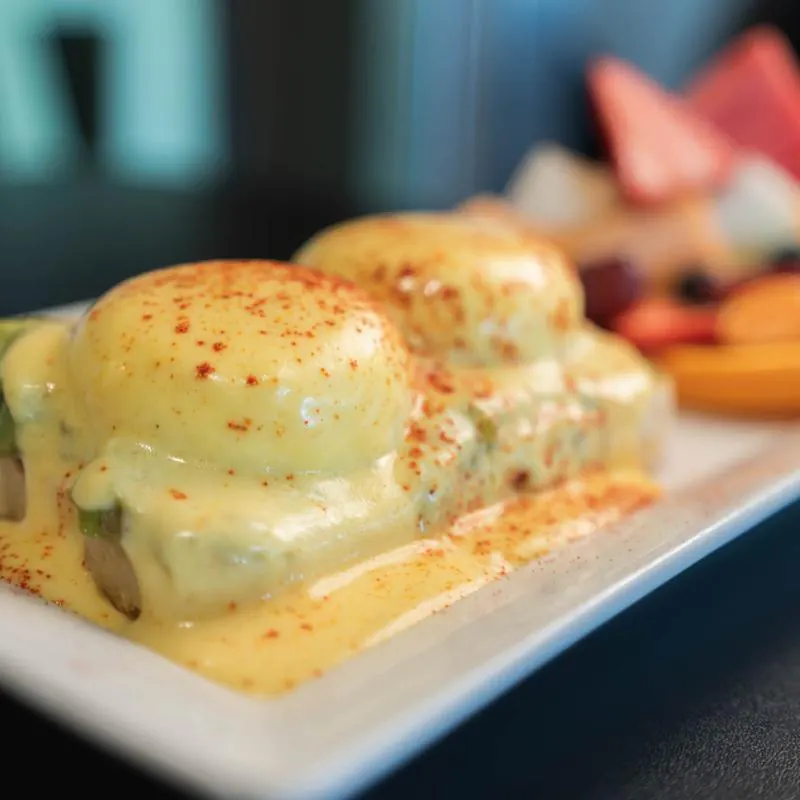
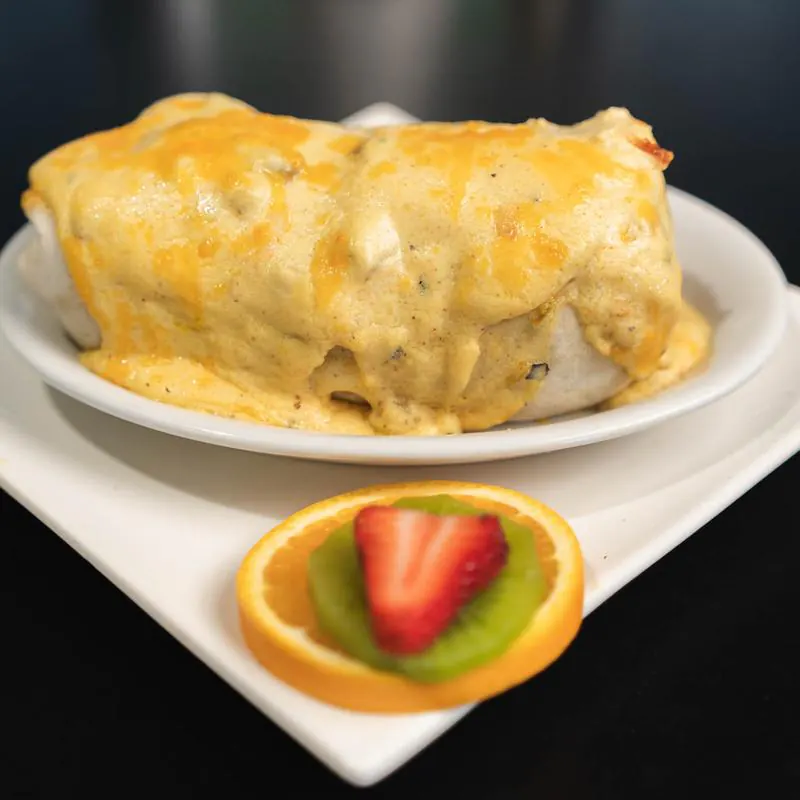
A café is generally an informal place to enjoy refreshments and a meal. Bennies Cafe in Monument serves breakfast and lunch in a counter-service setting, with options including eggs Benedict, sandwiches and crepes. Guests can eat in or arrange pickup.
What is the difference between a coffee shop and a café?
The terms often overlap. A coffee shop usually emphasizes coffee and other drinks, while a café may offer a broader food menu. Check the individual establishment's menu rather than relying on its name. Bennies Cafe offers coffee drinks alongside breakfast and lunch dishes.
What is the difference between café and coffee?
In everyday English, a café is a place where people buy food and drinks, while coffee is the beverage. The word café comes from the French word for coffee. Bennies Cafe serves options such as brewed coffee, espresso and lattes as part of its drinks menu.
❧